

In the fast-paced world of trend research, finding the right insight at the right moment can feel like searching for a needle in a digital haystack. To tackle this challenge, The Future Laboratory, a leading strategy agency producing hundreds of trend reports annually, came to us to create Ember, an AI-powered research platform that would be used to further enhance and humanize content. Ember is a research companion that would keep users coming back for deeper insights.
Services
Strategy
Product & experience strategy
Digital audits and opportunity analysis
User Experience (UX)
Journey mapping & research
Information architecture & wireframes
Interface and visual design
Design systems & scalable components
Responsive Web Development
Accessibility + inclusive design
Full-stack web development
Web & mobile app development
CMS implementation
QA, performance + accessibility optimization
API Development
AI
Analytics & personalization

With hundreds of trend reports, articles, videos, and podcasts in the mix, the real challenge wasn’t simply surfacing information. It was making sense of it all—helping users find context and guiding them deeper into the full spectrum of The Future Laboratory's research.
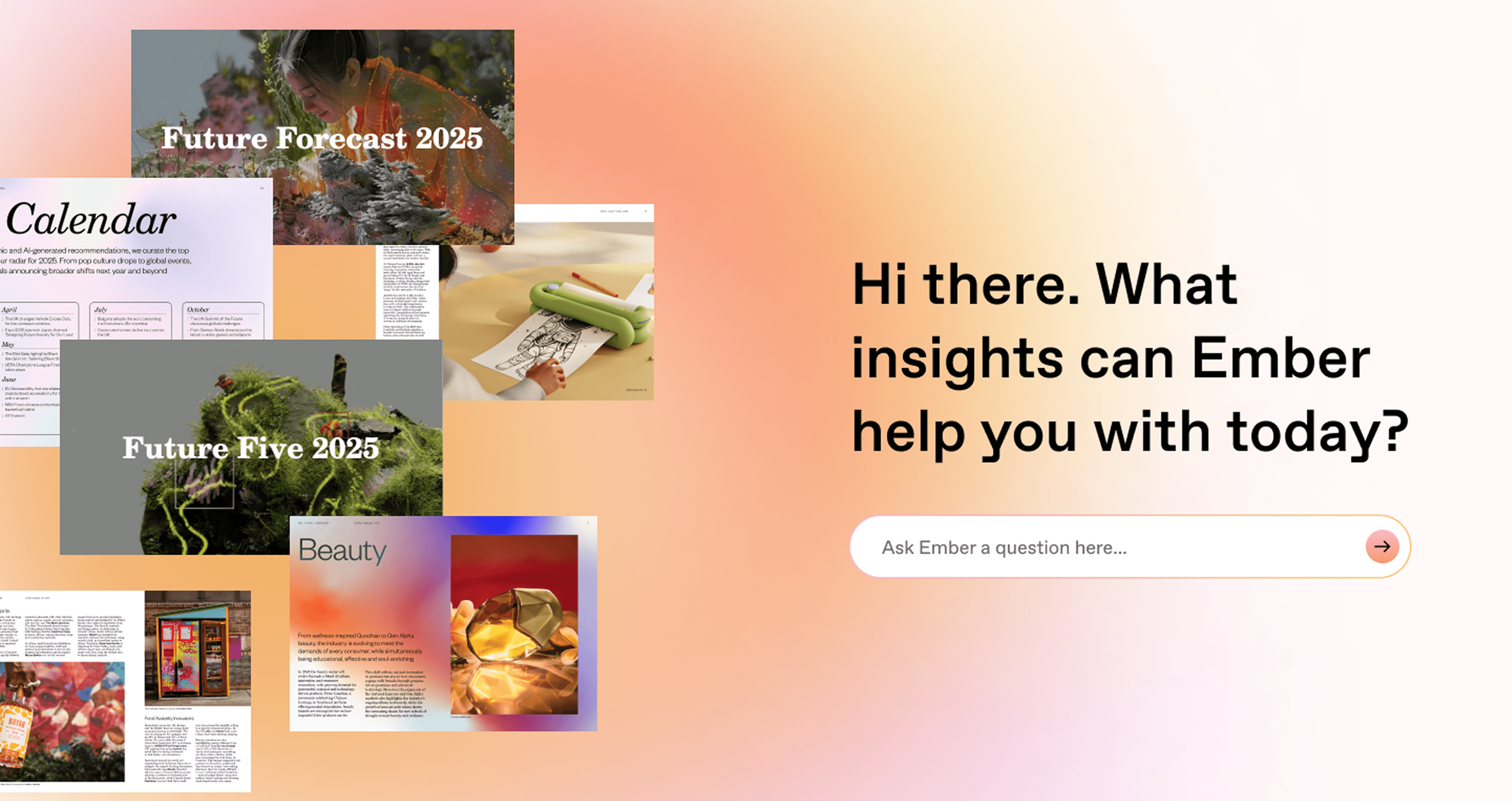
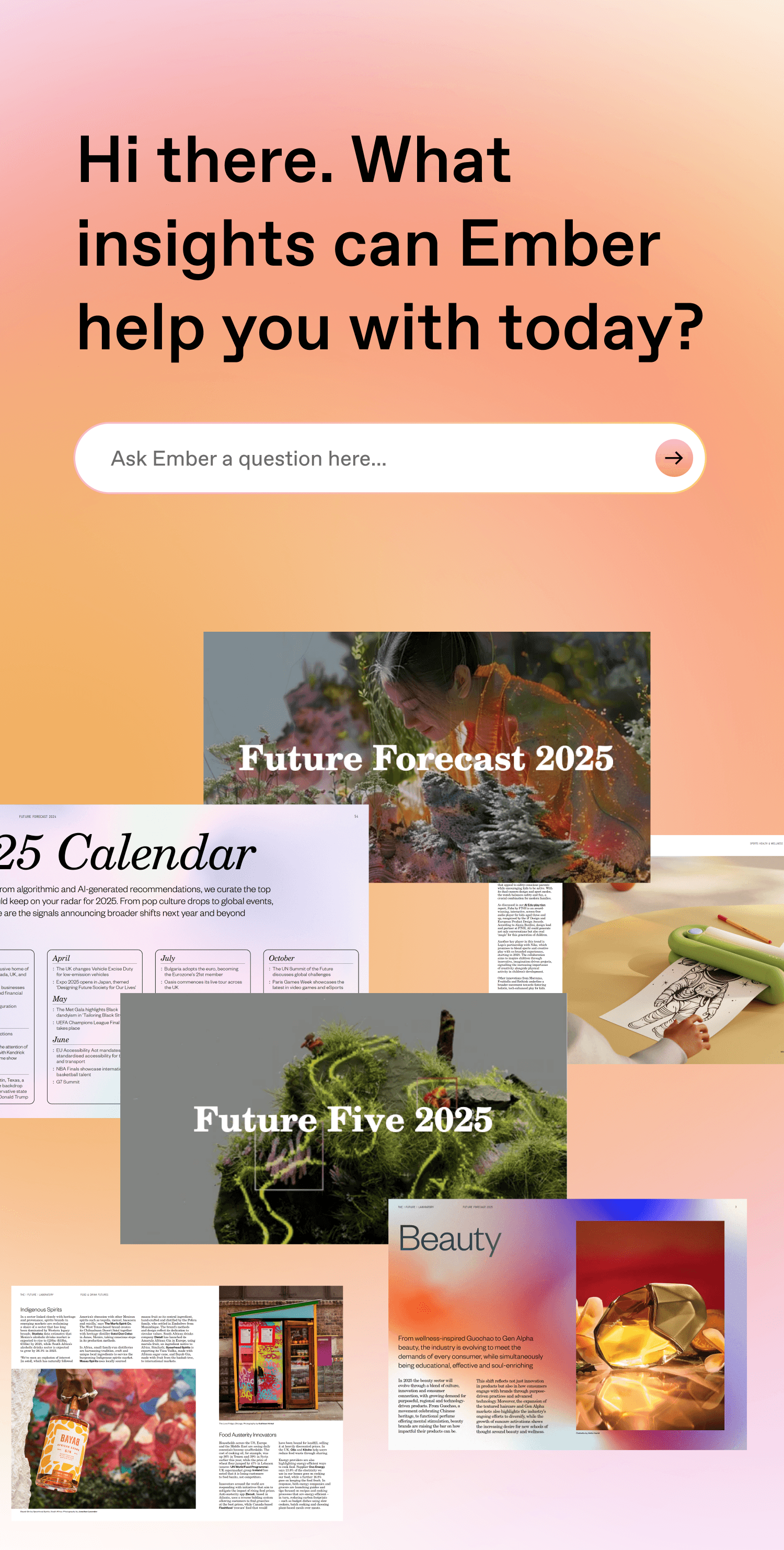
-
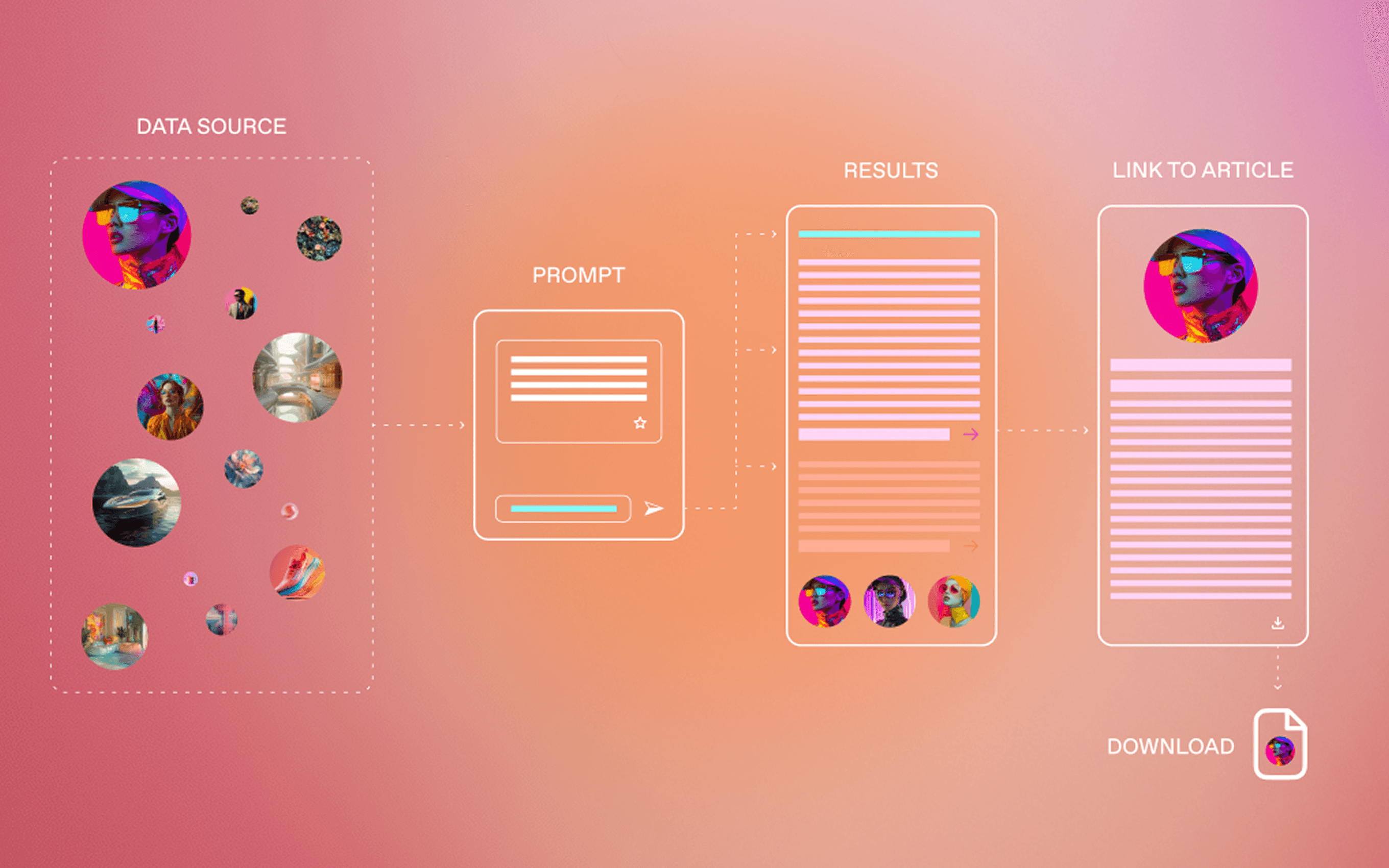
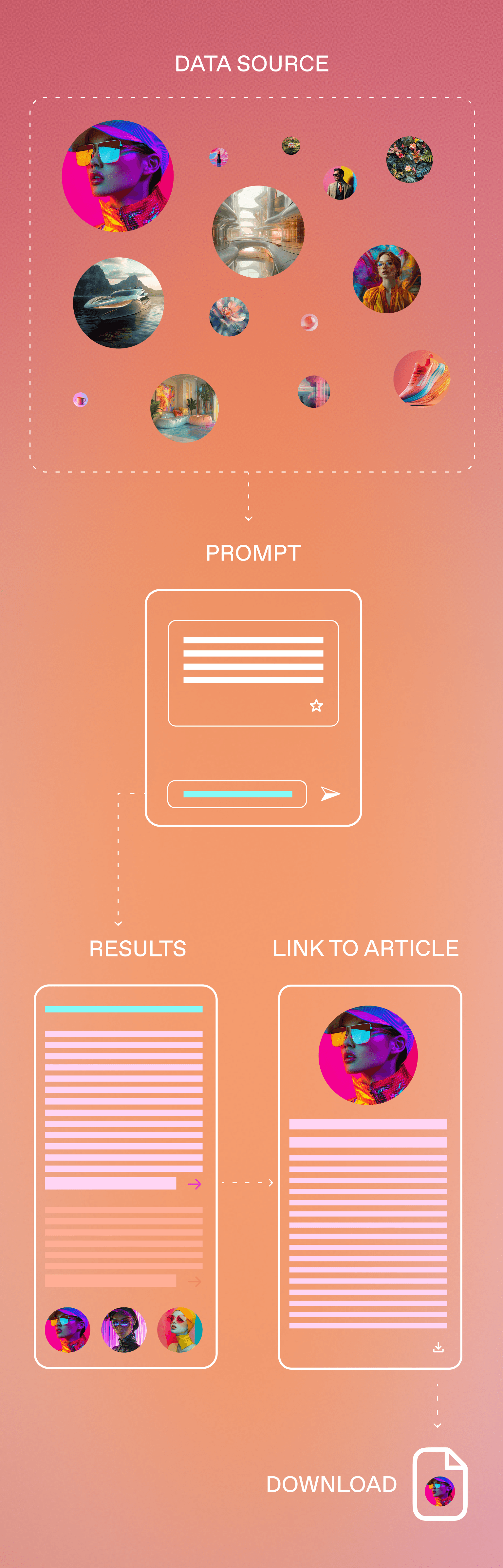
We quickly saw the gap between quick-hit answers and true deep dives. Our solution? A streamlined platform that guarantees accuracy with cited sources and builds scalable pipelines for both past and future content. The modular tech foundation means Ember can keep pace with advances in AI, while our clean interface design nudges users to keep exploring.
-
Our goal was to make Ember feel less like a search engine and more like a trusted research partner. We built features that surface unexpected connections across all content types, helping users spot insights they might otherwise miss. Every answer is crafted not just to inform, but to spark curiosity and lead users toward the full reports and articles that matter.
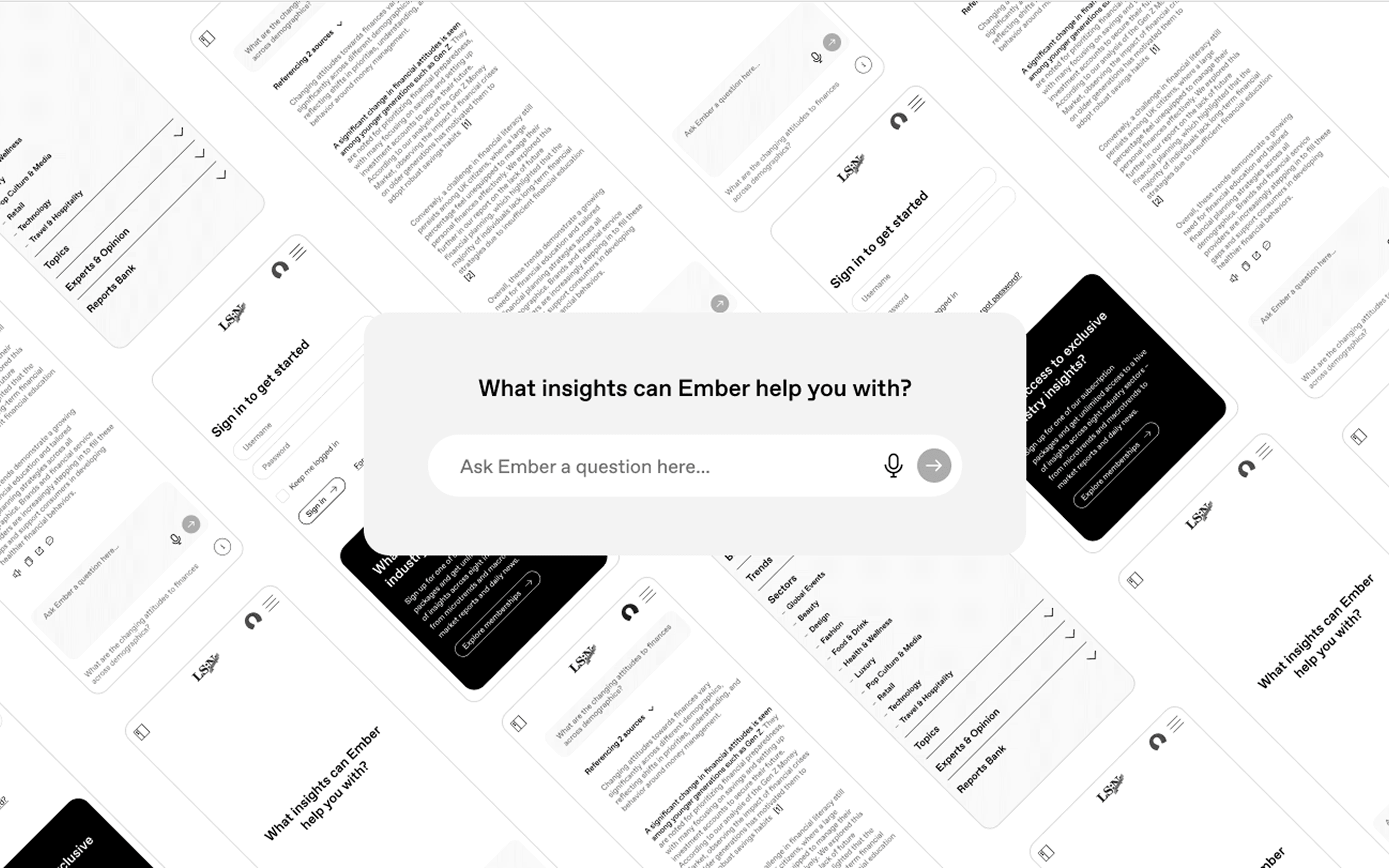
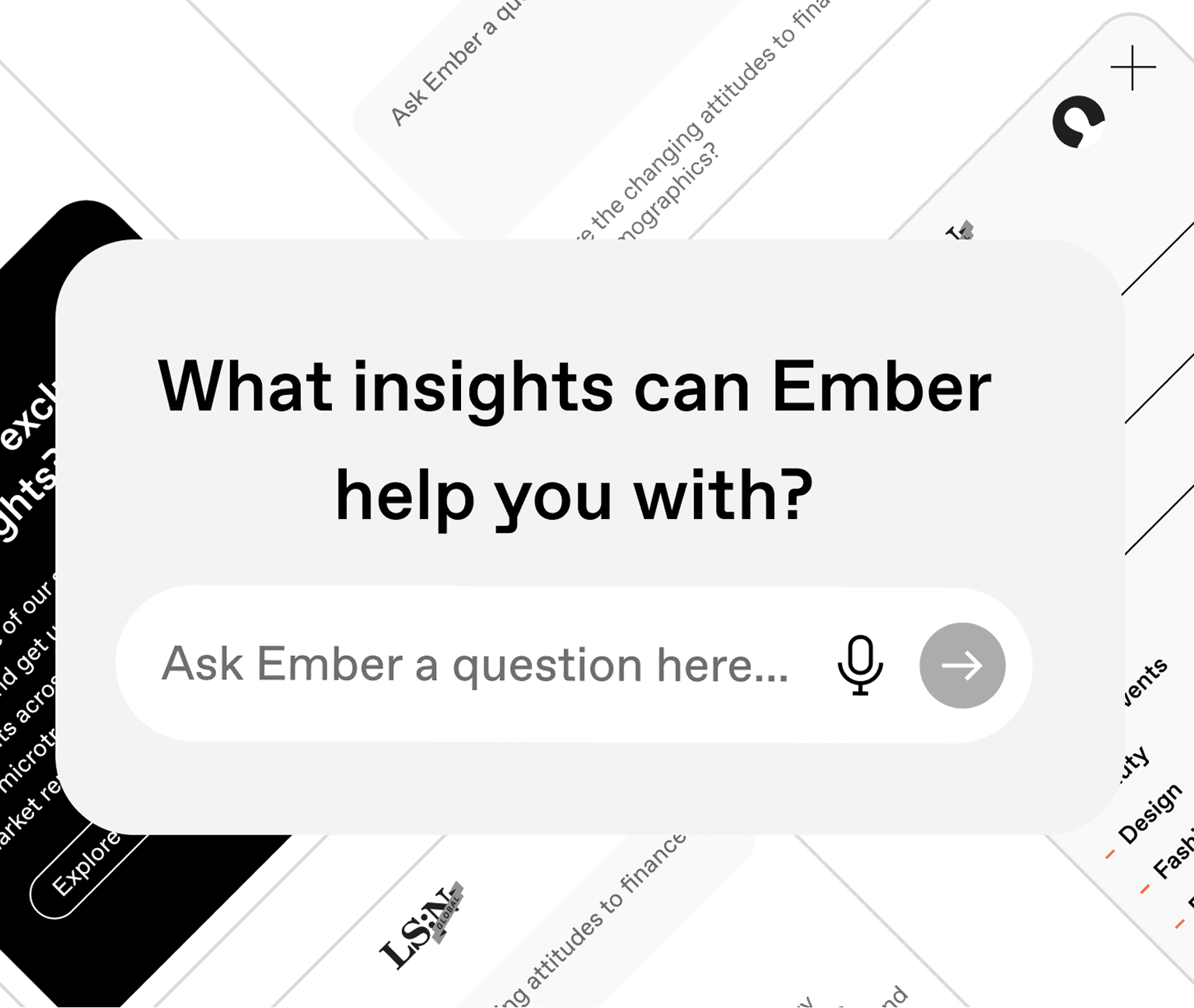
We struck a balance between sophistication and utility, creating a visual style that’s both fresh and approachable. Drawing inspiration from familiar AI patterns, we established a distinct identity and a clear visual hierarchy that steers users through complex info and connects them to referenced research with ease.

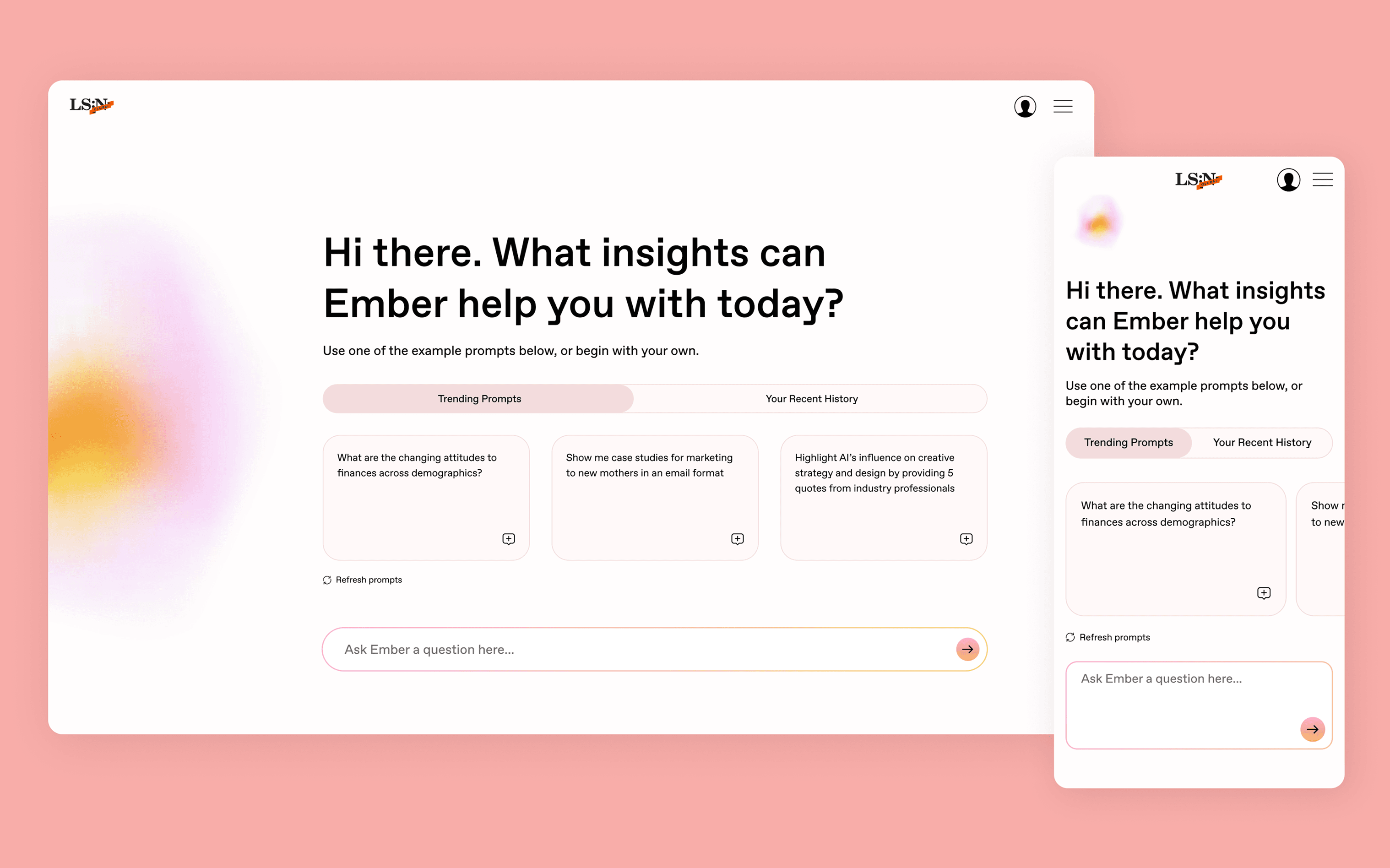
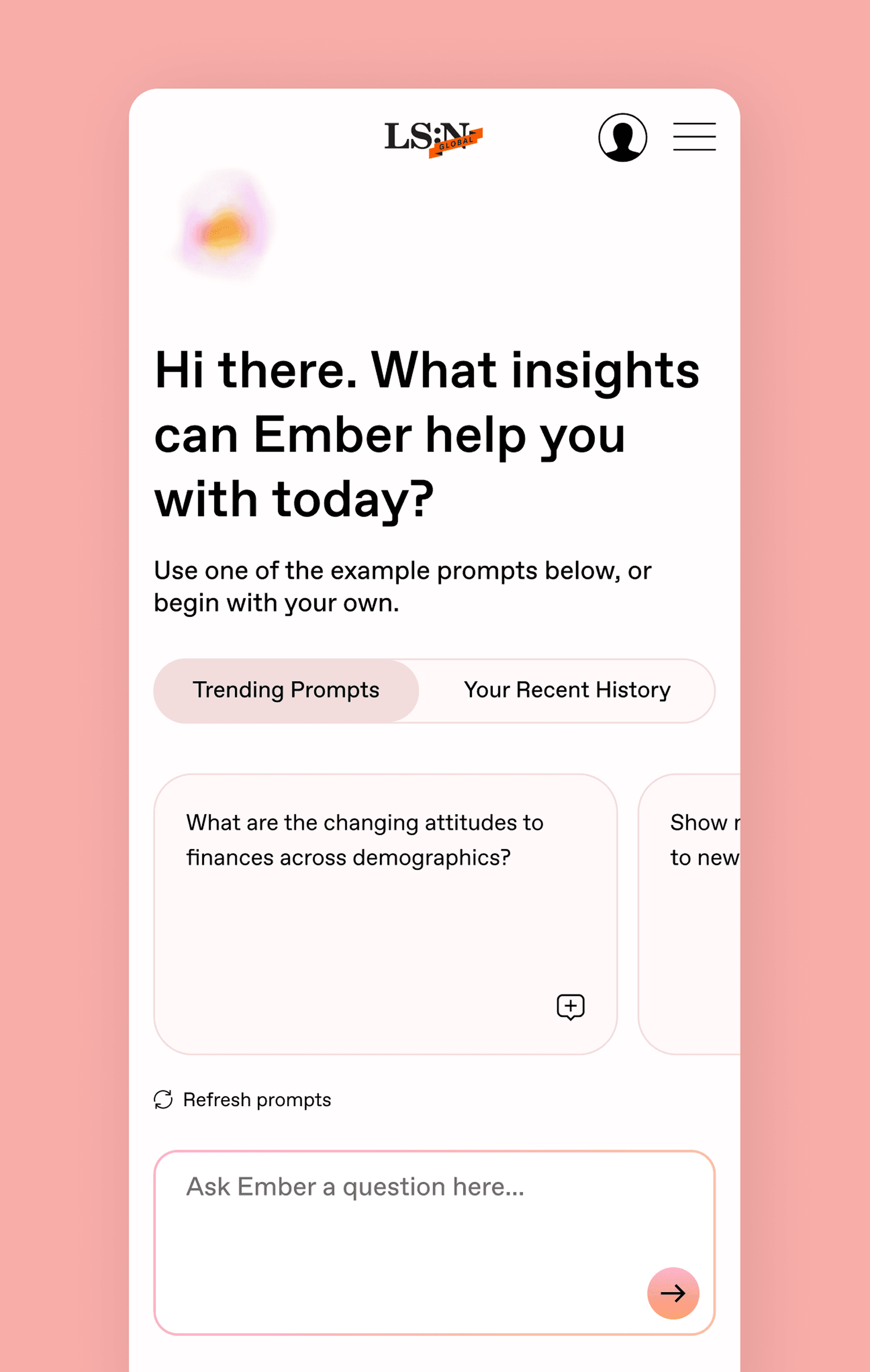
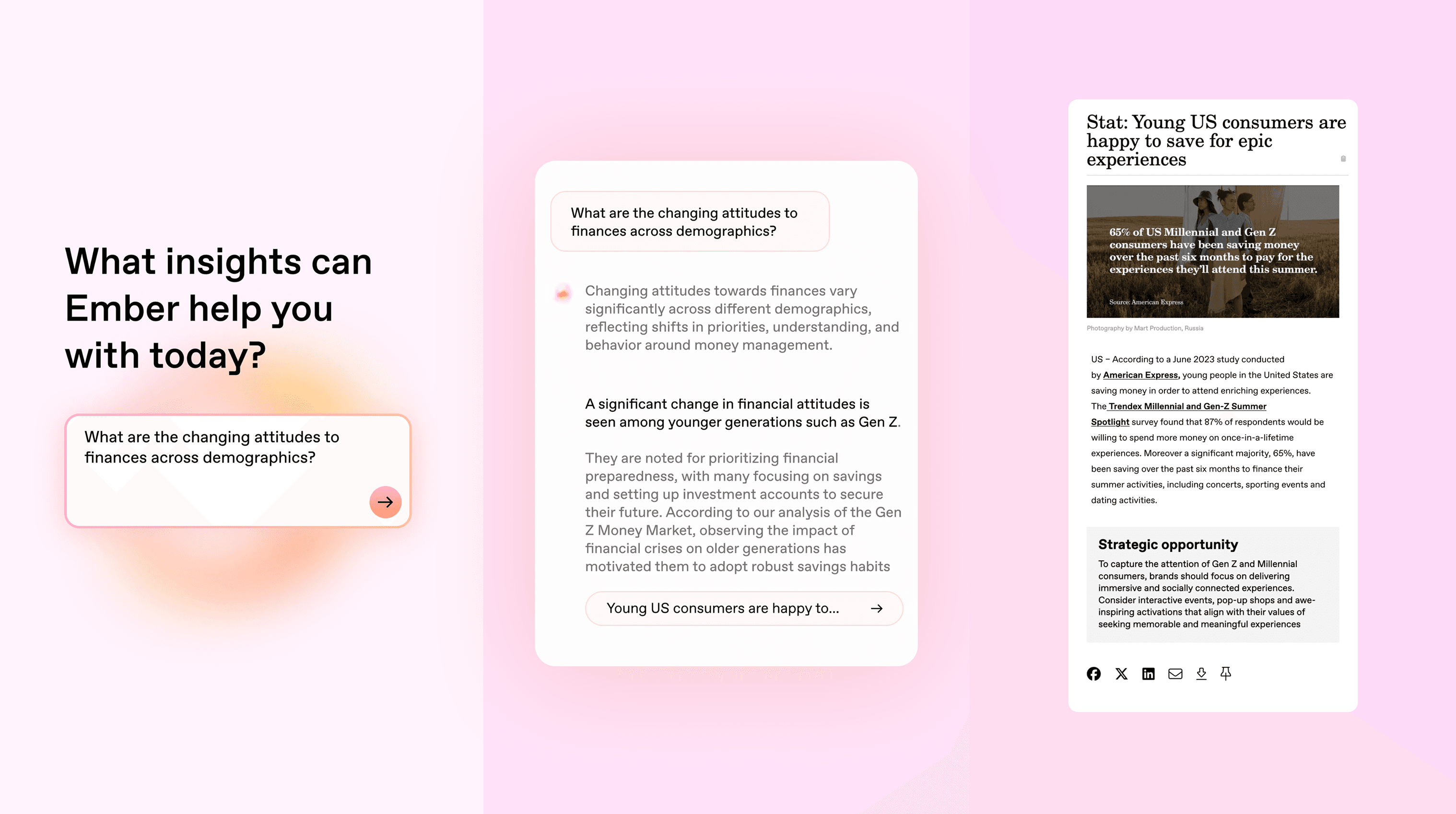
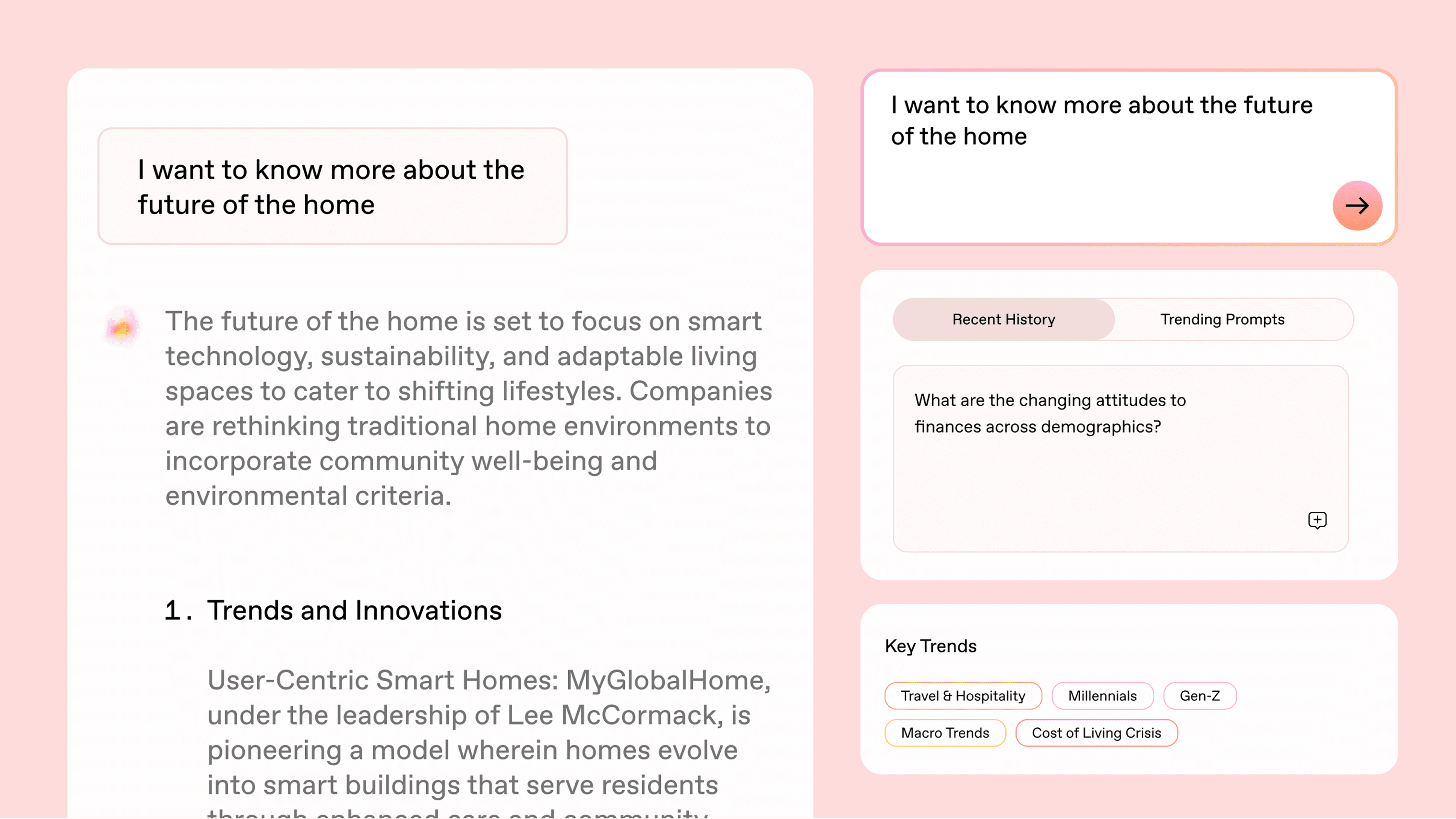
Collaborating closely with The Future Laboratory team, we engineered Ember to be modular and ready for whatever AI brings next. The platform now processes all kinds of content more powerfully, building stronger links between related research. Our approach keeps the best of standard AI experiences while unlocking new paths for discovery and engagement.
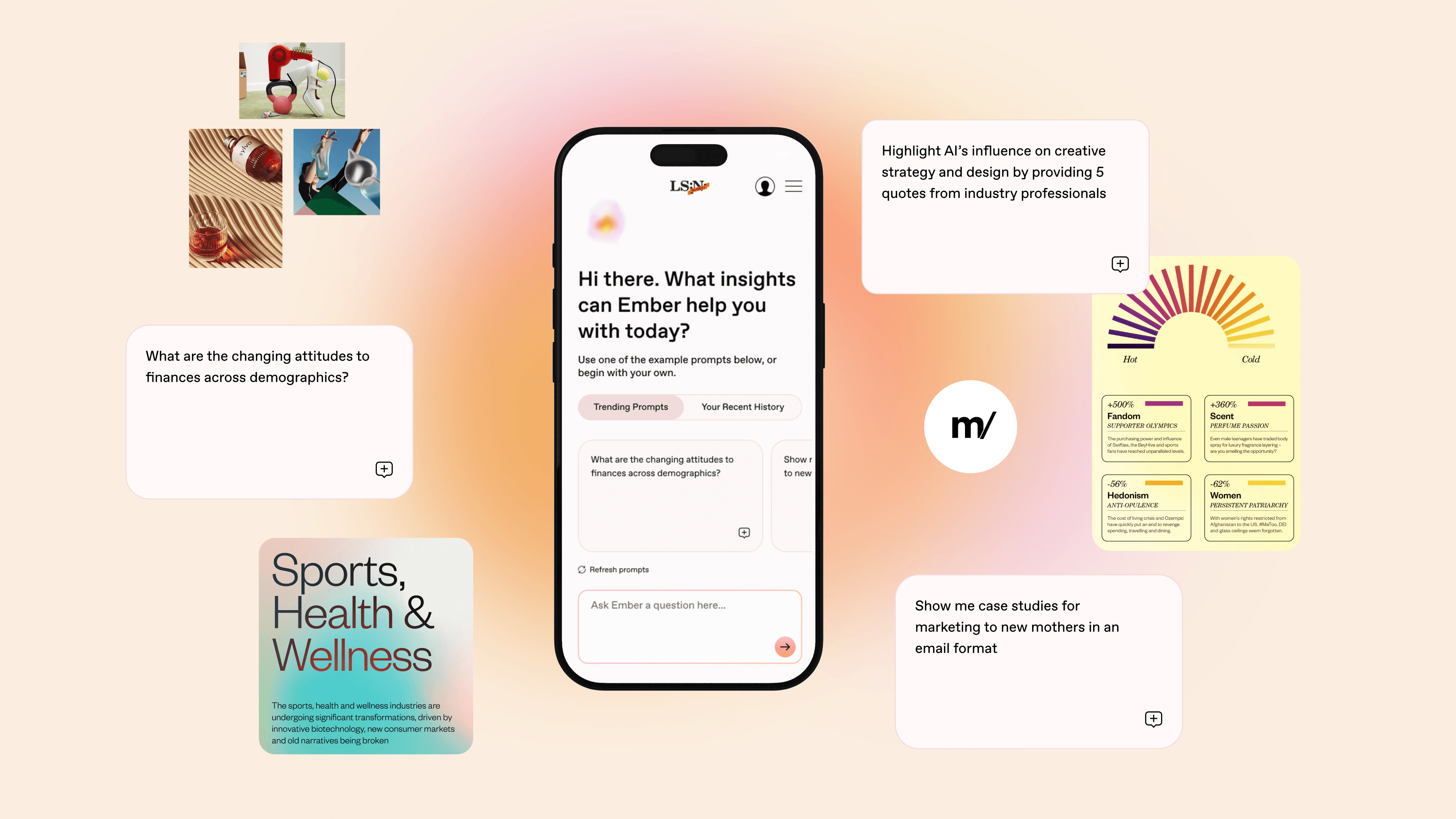
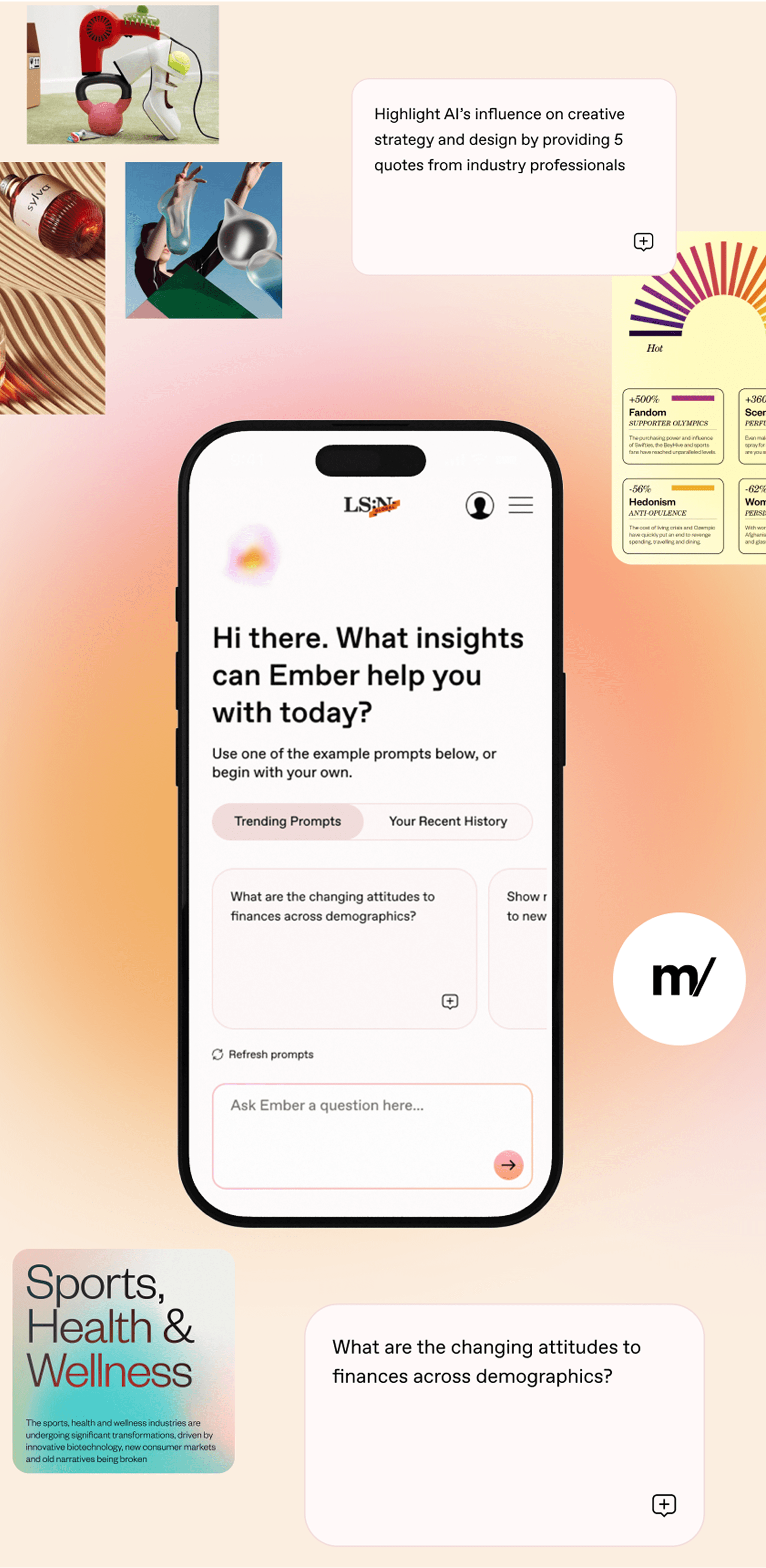
Ember is already showing its strength, delivering accurate responses and sparking meaningful conversations that add real value to The Future Laboratory’ research. The scalable infrastructure keeps costs low and leaves plenty of room for growth. As Ember evolves, it’s on track to set a new benchmark for discovering, understanding, and acting on strategic insights.
Ember is already proving to be a well-trained model showing a high degree of accuracy in response testing. It is creating meaningful conversations that add valuable context to Future Labs' research. The scalable technical infrastructure we implemented keeps operational costs low while allowing for future growth. As Ember continues to evolve, we expect it to set a new standard for how people discover, understand, and apply strategic insights.
Ember is an AI-powered research platform built by Metajive for The Future Laboratory (part of Together Group), one of the world's leading trend forecasting services. It serves as a conversational research companion, helping subscribers find context and explore deeper insights across thousands of trend reports, articles, videos, and podcasts — content that sits behind a $1,500-per-year paywall.
The Future Laboratory had a massive content discoverability problem. Their existing search system used 8 filters with 4 to 10 options each — an unusable interface for researchers trying to find specific insights across thousands of reports. Subscribers were churning in part because they couldn't access the value they were paying for. Ember replaced that broken search paradigm with conversational artificial intelligence that understands context and surfaces connections humans would miss.
The client initially came to Metajive wanting 'an AI bot.' Metajive reframed the request around real business KPIs — subscriber churn reduction, content engagement, and renewal rates. The team ran a full AI strategy phase to define what Ember should actually do and how success would be measured, transforming a vague technology request into a product with clear utilitarian value.
Ember is designed to feel like a trusted research partner, not a search box. It surfaces unexpected connections across content types, provides cited sources for every response, and nudges users to explore the full reports and articles behind each insight. The sources are a feature, not just attribution — users click through to the primary research, which drives deeper engagement with the subscription content and reduces churn.
Metajive handled the complete product lifecycle: AI strategy, product ideation, user journey mapping, information architecture, user experience design, full-stack development, analytics integration, and ongoing optimization. The engagement covered everything from defining KPIs through building the conversational AI interface and tracking real usage data against business outcomes.
Metajive built a visual style that balances sophistication with utility, establishing a distinct identity and clear visual hierarchy that guides users through complex information. The product design draws on familiar AI interaction patterns while creating a branded experience that feels native to The Future Laboratory's premium positioning — not like a generic chatbot bolted onto the site.
Yes. Ember was engineered on a modular technical foundation specifically so it can adapt to future advances in artificial intelligence and continue processing new content as The Future Laboratory publishes it. The architecture separates the AI layer from the content layer, allowing model upgrades without rebuilding the product.
Yes. The scalable infrastructure Metajive implemented keeps operational costs low while leaving room for future growth. Metajive is also exploring deeper integrations including MCP (Model Context Protocol) connectivity, which would allow subscribers' AI tools like Claude to query Ember's knowledge base directly using their subscription credentials — extending the platform's value beyond the website itself.